logo
ホーム 製品フェロケイ素の合金

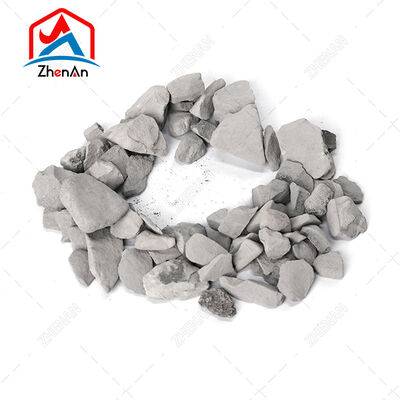
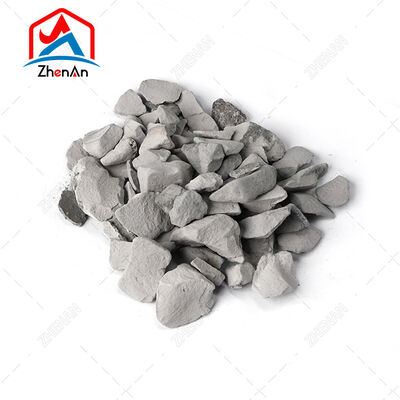
Ferro Silicon Nitride FeSiN Alloy for Steelmaking Refractory Additive with Anti Crack and High Temperature Resistance

オンラインです

Ferro Silicon Nitride FeSiN Alloy for Steelmaking Refractory Additive with Anti Crack and High Temperature Resistance

Ferro Silicon Nitride FeSiN Alloy for Steelmaking Refractory Additive with Anti Crack and High Temperature Resistance
Ferro Silicon Nitride FeSiN Alloy for Steelmaking Refractory Additive with Anti Crack and High Temperature Resistance Ferro Silicon Nitride FeSiN Alloy for Steelmaking Refractory Additive with Anti Crack and High Temperature Resistance Ferro Silicon Nitride FeSiN Alloy for Steelmaking Refractory Additive with Anti Crack and High Temperature Resistance Ferro Silicon Nitride FeSiN Alloy for Steelmaking Refractory Additive with Anti Crack and High Temperature Resistance Ferro Silicon Nitride FeSiN Alloy for Steelmaking Refractory Additive with Anti Crack and High Temperature Resistance

大画像 :  Ferro Silicon Nitride FeSiN Alloy for Steelmaking Refractory Additive with Anti Crack and High Temperature Resistance

商品の詳細:
起源の場所: 中国
ブランド名: ZHENAN
証明: ISO9001
モデル番号: フェシナイトリド
お支払配送条件:
最小注文数量: 交渉可能
価格: 交渉可能
パッケージの詳細: 1MTの大きなバッグまたは顧客の要求に応じて
受渡し時間: 支払いを受け取ってから5〜10営業日
支払条件: L/C、T/T、ウェスタンユニオン
供給の能力: 2000MT/月

Ferro Silicon Nitride FeSiN Alloy for Steelmaking Refractory Additive with Anti Crack and High Temperature Resistance

説明
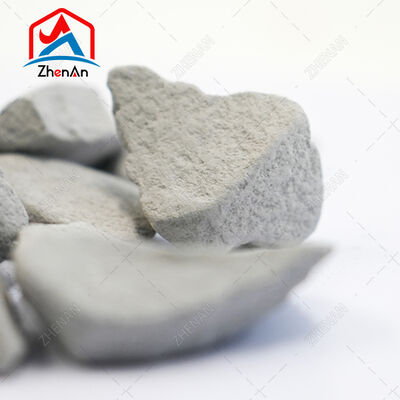
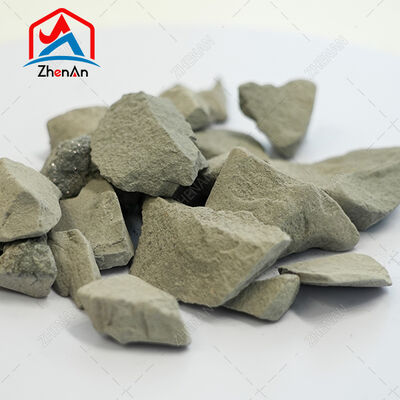
材料: フェシナイトリド サイズ: 10-50mm
シリコン含有量: 70~80% 鉄の含有量: 20~30%
窒素含有量: 20~35% かさ密度: 2.5-3.2 g/cm3

Why Choose Ferro Silicon Nitride (FeSiN) for Refractory and Steelmaking Applications?
  • Anti-crack performance under thermal shock
  • Excellent high-temperature stability (>1400°C)
  • Dual function: nitrogen alloying + structure reinforcement
  • Improves refractory service life and reduces maintenance cost
  • Consistent quality for large-scale steel plant use
What Is Ferro Silicon Nitride and Why Is It Used?

Ferro Silicon Nitride (FeSiN) is a composite alloy material combining silicon, nitrogen, and iron, widely used in both steelmaking and refractory industries. It acts as a nitrogen carrier, high-temperature stabilizer, and structural enhancer, improving both molten metal properties and refractory durability.

In refractories, FeSiN enhances resistance to thermal shock and cracking. In steelmaking, it contributes to microstructure refinement and nitrogen strengthening, making it a multifunctional additive for modern metallurgical processes.

What Are the Typical Specifications of FeSiN?
Parameter Specification Range
Silicon (Si) 40–60%
Nitrogen (N) 20–35%
Iron (Fe) Balance
Carbon (C) ≤1.5%
Particle Size 10–50 mm / customized
Bulk Density 2.5–3.2 g/cm³
Form Lump / granule
Application Refractory + steelmaking
How Does FeSiN Improve Refractory Performance?

FeSiN significantly improves refractory materials by enhancing their thermal shock resistance and structural integrity. When incorporated into refractory bricks or castables, nitrogen reacts with silicon to form stable phases that increase bonding strength.

This results in reduced crack formation during rapid temperature changes. Additionally, FeSiN improves oxidation resistance at high temperatures, allowing refractories to maintain performance over longer service cycles in furnaces, ladles, and kilns.

Why Is FeSiN Effective as an Anti-Crack Material?

Cracking in refractories is typically caused by thermal expansion mismatch and weak bonding structures. FeSiN addresses this by introducing strong ceramic bonding phases that improve flexibility and resistance to stress.

The nitrogen component helps stabilize the internal structure, preventing microcrack propagation. As a result, refractory materials exhibit longer lifespan, fewer shutdowns, and lower replacement frequency.

How Does FeSiN Perform in High-Temperature Environments?

FeSiN maintains excellent stability at temperatures exceeding 1400°C. Its structure resists oxidation and chemical attack, making it suitable for harsh metallurgical environments.

In steelmaking furnaces, FeSiN not only survives extreme temperatures but also contributes to cleaner steel production by releasing nitrogen in a controlled manner, improving metallurgical efficiency.

FeSiN Grade Comparison
FeSiN 30 vs FeSiN 20: Which Is Better for Refractories?

FeSiN 30 contains higher nitrogen content, providing stronger anti-crack performance and better thermal shock resistance. It is ideal for high-end refractory applications.

FeSiN 20 is more cost-effective and suitable for standard refractory materials where moderate performance is acceptable.

FeSiN vs Silicon Nitride: What Is the Difference?

FeSiN includes iron, making it easier to integrate into metallurgical systems and more cost-efficient for bulk use.

Pure silicon nitride offers higher ceramic performance but is significantly more expensive and mainly used in advanced engineering ceramics rather than industrial refractories.

FeSiN vs Ferrosilicon: Why Is FeSiN Better for Refractory Use?

Ferrosilicon primarily acts as a deoxidizer and does not provide nitrogen strengthening.

FeSiN delivers both silicon and nitrogen, offering structural reinforcement and improved high-temperature resistance, making it superior for refractory applications.

What Is the Final Advantage of Using FeSiN?

FeSiN combines metallurgical and refractory benefits:

  • improves refractory lifespan
  • reduces cracking and thermal damage
  • enhances steel quality through nitrogen control
  • lowers overall production and maintenance costs

連絡先の詳細
Zhenan Metallurgy Co., Ltd

コンタクトパーソン: Mr. xie

私達に直接お問い合わせを送信 (0 / 3000)